The Wildlife of Joshua Tree — What Lives Here and How to Find It
The desert looks empty from a distance. Get closer and it's one of the most densely populated ecosystems in the American West — from desert tortoises and bighorn sheep to kangaroo rats and owls working the night shift.

On this page
The desert looks empty from a distance. Get closer and it's one of the most densely populated ecosystems in the American West — just quietly, carefully, strategically alive in ways that take some knowing to see.
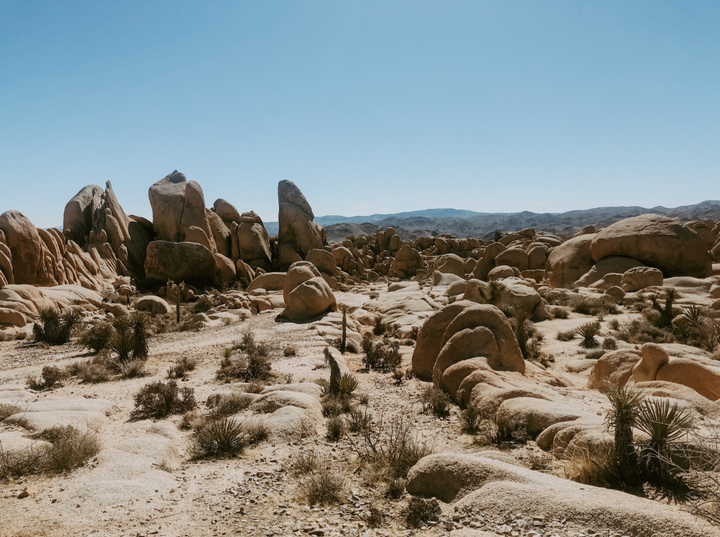
Joshua Tree National Park sits at the intersection of two distinct desert ecosystems — the Mojave and the Colorado — which means the diversity of life here is genuinely unusual. Here's who shares the landscape with you when you visit.
The Joshua Tree Itself
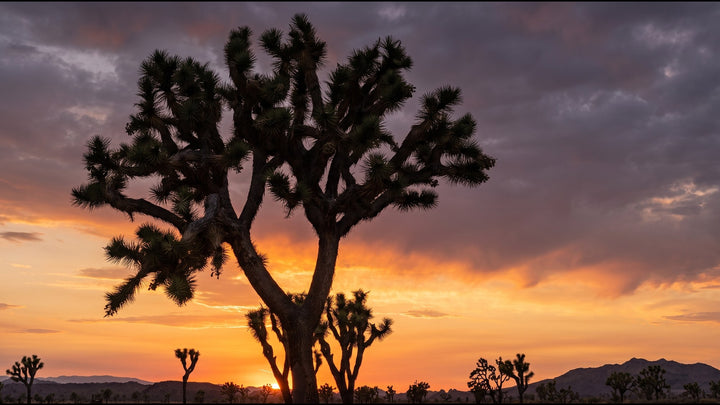
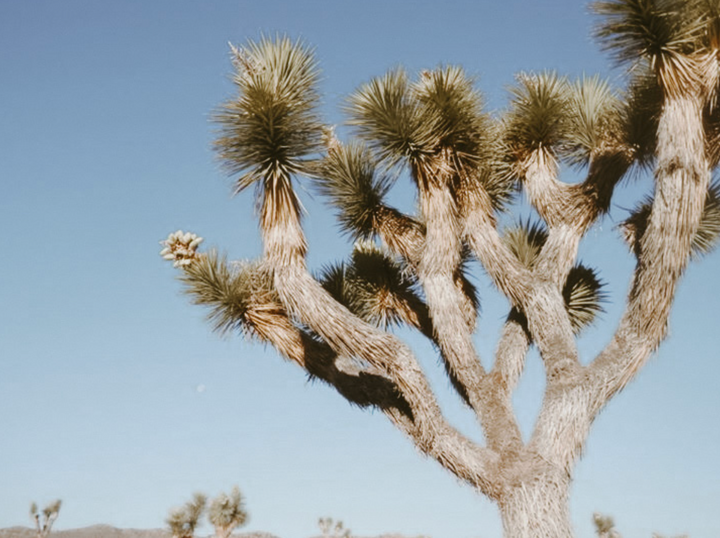
Start with the tree the park is named for. Joshua trees — Yucca brevifolia — are not actually trees. They're succulents, members of the agave family, and they grow only in the Mojave Desert between 2,000 and 6,000 feet of elevation. Their entire reproductive cycle depends on a single species: the yucca moth, which is the only pollinator that can access the Joshua tree's flower. No yucca moth, no Joshua tree. It's a relationship that has existed for millions of years and remains one of the most specific symbioses in the natural world.
A mature Joshua tree can live for 150 years or more. The ones you're standing next to have been here longer than anyone living can remember.
The Desert Tortoise
The Mojave desert tortoise is the official state reptile of California and one of the most ancient animals in the landscape — a species that has survived in the desert for millions of years. They're slow-moving, solitary, and spend up to 95% of their lives underground in burrows that regulate temperature and humidity.
Spotting one in the wild is genuinely lucky. If you do, give it space. Don't pick it up — a stressed tortoise may empty its bladder, losing water it can't afford to lose in the desert heat. They're protected under the Endangered Species Act and their numbers have declined significantly. If you see one, consider yourself fortunate and keep moving.
Bighorn Sheep
The desert bighorn sheep is built for this landscape in a way that seems almost implausible. They can go days without water, surviving on moisture from the plants they eat. Their hooves have hard outer edges for gripping rock and soft centers for traction on steep surfaces — natural climbing shoes. They navigate terrain that would stop most animals cold.
The best places to spot them in Joshua Tree are near water sources — Barker Dam, Cottonwood Spring, and the Wonderland of Rocks. Early morning is the best time. Bring binoculars, move quietly, and scan the high boulder faces where they blend into the rock almost perfectly.
Coyotes and Roadrunners
Both are common in Joshua Tree and both are worth watching for. Coyotes are most active at dawn and dusk — you'll often hear them before you see them, a series of yips and howls that carry across the desert in a way that sounds like more animals than there are. Roadrunners are exactly as entertaining as the cartoons suggested — fast, purposeful, and completely unconcerned with human presence.
The Night Animals
What happens in Joshua Tree after dark is a whole other ecosystem. Kangaroo rats emerge to gather seeds, moving in leaping bounds across the desert floor. Owls — great horned, burrowing, barn — hunt the same terrain from above. Rattlesnakes come out when the surface temperature drops to something manageable for a cold-blooded animal.
If you're camping or out after dark, carry a headlamp and watch where you put your hands and feet. Not because the desert is dangerous — it's not, especially if you're paying attention — but because the night shift deserves the same respect as everything else out here.
How to See More
The single best thing you can do to see wildlife in Joshua Tree is slow down. Stop the car. Sit on a rock. Let the desert settle around you. Most visitors move through too quickly for the animals to recalibrate. Give it twenty minutes and something will almost always show up.
Early morning, an hour after sunrise, is the best window. The light is good, the temperature is manageable, and the animals haven't gone back underground yet.
Stop into JT Trading Post before you head into the park — we're open weekends from 9am and can help you find whatever you need for a day of slow, attentive desert exploration.